Google Introduces Private AI Compute to Balance Power and Privacy
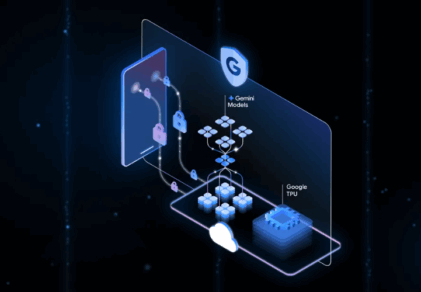
Google has launched Private AI Compute, a new cloud-based platform that promises to deliver advanced AI experiences without compromising user privacy. The company says the system is built to help devices run powerful AI models securely while keeping personal data protected.
How Private AI Compute Works
Private AI Compute allows certain complex AI tasks to run in the cloud instead of solely on devices. Traditionally, many Google products handled AI features like translation, summaries, or voice typing locally. But as AI becomes more capable, such on-device processing can’t always provide the computing power needed.
With this new approach, Google sends only the data necessary to perform specific AI tasks to a secure, cloud-based space. The company calls this environment a “fortified zone,” ensuring that personal data remains accessible only to the user, not even to Google.
Inspired by Apple, But Built Google’s Way
The new system mirrors Apple’s Private Cloud Compute concept introduced earlier this year. However, Google emphasizes that Private AI Compute integrates seamlessly with its own AI ecosystem, from Android devices to Chromebooks.
While Apple focuses on privacy-first AI for iPhones, Google’s version aims to extend that balance across multiple products and services, giving users access to advanced features that require more processing power than their devices can provide.
What It Means for Pixel Users
Google says Pixel 10 phones will be among the first to benefit from Private AI Compute. The system will enhance Magic Cue, an AI assistant that surfaces relevant information from emails and calendars. It will also expand Recorder transcriptions to support more languages.
The company calls this rollout “just the beginning,” hinting that more personalized and context-aware AI features are on the way.
A Step Toward Smarter, Safer AI
With Private AI Compute, Google joins a growing movement to blend powerful cloud AI with local-level privacy. The model could define how future AI systems process personal data—securely, efficiently, and transparently.
As users increasingly rely on AI for productivity and daily tasks, this hybrid approach may set a new standard for how companies deliver both intelligence and trust.