Key Highlights:
- Apple Podcasts introduces HLS video streaming, enabling users to watch, listen, and download shows easily.
- Creators gain advanced monetization tools including dynamic video ads and sponsorship options.
- Supported at launch by Acast, ART19, SiriusXM, and Triton Digital, expanding to other hosting providers soon.
- Beta testing now live on iOS 26.4, iPadOS 26.4, and visionOS 26.4, with a full rollout expected this spring.
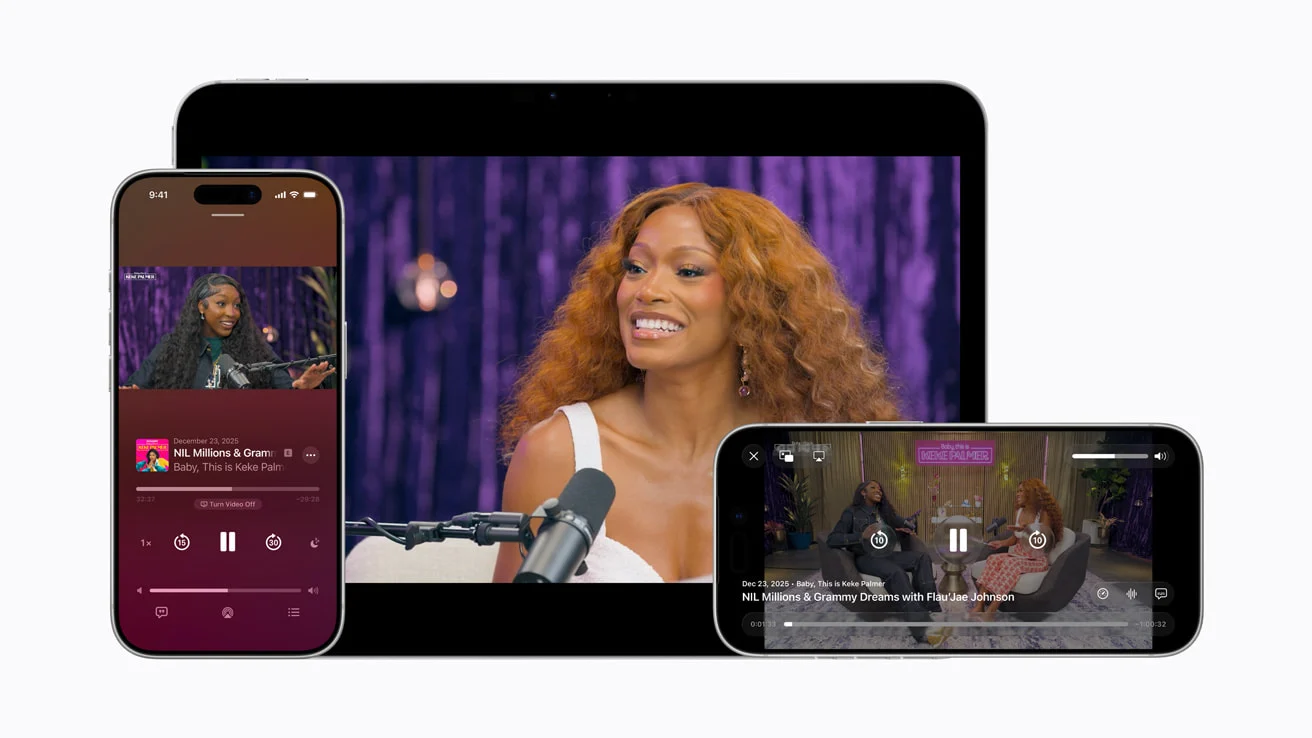
Apple has officially announced a breakthrough update that transforms Apple Podcasts into a full-featured video podcasting platform, powered by its HTTP Live Streaming (HLS) technology. This update marks Apple’s biggest leap in podcasting since introducing podcasts to iTunes nearly two decades ago — and it’s set to redefine how creators publish and how audiences consume.
In simple terms: you’ll soon be able to watch and listen to podcasts seamlessly on your iPhone, iPad, or Vision Pro, with smooth playback, offline downloads, and crisp quality that adapts automatically to network conditions.
That’s not just a quality upgrade — it’s a strategic move signaling the convergence of audio and video storytelling, giving creators more empowerment and users more choice.
What Exactly Is Apple Introducing?
Starting with upcoming versions of iOS, iPadOS, and visionOS (26.4 and later), Apple Podcasts will support HLS video episodes alongside traditional audio.
Users can:
- Switch between listening and watching instantly.
- Rotate their device for full-screen horizontal view.
- Download video episodes for offline playback.
- Enjoy automatically optimized quality via adaptive streaming.
Behind the scenes, this is HLS at work — the same Apple-developed technology that powers Apple TV+ and most premium streaming experiences worldwide. This ensures reliable video playback that adjusts dynamically to your internet speed, providing consistent high-quality viewing across Wi-Fi and cellular networks.
Why the Move to Video Podcasts Now?
Podcasting has been evolving fast. Many top creators already record video versions of their shows for YouTube, TikTok, and Spotify. By integrating HLS video directly into Apple Podcasts, Apple is closing the gap between passive listening and interactive viewing — all within its native ecosystem.
As Eddy Cue, Apple’s Senior Vice President of Services, said,
“By bringing a category-leading video experience to Apple Podcasts, we’re putting creators in full control of their content and how they build their businesses.”
The timing is strategic: in 2026, video-driven podcast engagement is expected to surpass audio-only consumption for many major creators. Apple’s move positions its platform squarely at the center of this shift.
How Will It Work for Creators?
With this rollout, creators can distribute video episodes directly through participating podcast hosting providers — the first batch includes Acast, ART19, SiriusXM, and Triton Digital.
Here’s what’s new:
- Dynamic Video Ads: Creators can insert video advertisements — including host-read ones — within episodes, tapping into the broader video ad market.
- Full Creative Control: Hosting providers and creators maintain ownership and distribution rights. Apple won’t charge them for content distribution (via RSS or HLS).
- Ad Network Monetization: Apple will charge ad networks an impression-based fee to deliver dynamic ads, not the creators themselves.
- Frictionless Integration: Video episodes can be added to existing shows without affecting current followers or downloads.
This approach aligns with Apple’s open ecosystem philosophy — it doesn’t lock creators behind proprietary technology or subscription walls. Instead, it expands creative freedom and revenue potential.
What Are Industry Leaders Saying?
Several industry voices have hailed the step as transformative:
- Greg Glenday, CEO of Acast, called it “a defining moment — expanding what’s possible for creators, advertisers, and the medium as a whole.”
- Geoff Mattei, CEO of ART19, said, “Video is the next chapter for podcasting. Simplifying audio distribution and empowering monetization — now video deserves that same experience.”
- Scott Walker, Chief Advertising Revenue Officer at SiriusXM, praised Apple’s open approach that “keeps the integrity of podcasting intact while enhancing capabilities.”
- Sharon Taylor, Triton Digital’s CRO, added that “video is becoming an increasingly important way audiences engage with audio content.”
Together, these statements underscore the sense that Apple’s update isn’t just technological — it’s cultural. The podcasting industry is entering a multimedia era.
How Will This Affect Listeners?
For listeners, the benefits are immediate and tangible:
- Seamless Experience: Move from headphones to screens effortlessly; it’s all one interface.
- Offline Viewing: Download episodes just like audio ones.
- Personalized Discovery: Integration with Apple’s recommendation engine and editorial features.
- Smooth Playback: HLS ensures the best possible quality, even on low bandwidth.
Apple Podcasts already boasts features like chapter browsing, timed links, adjustable playback speeds (0.5x–3x), and transcripts in 13 languages covering 125+ million episodes. Adding video simply enhances what was already a robust global platform available in over 170 countries.
What’s the Business Angle?
This move also turbocharges opportunities for advertisers and podcast networks. Dynamic video ads open the door to brand storytelling that looks and feels native. Sponsors can now weave video segments within authentic conversations, maintaining the sense of intimacy that podcasting is known for, while gaining the engagement level of video.
With Apple’s trusted privacy framework and ad delivery model, brands can tap into precise impression-based analytics — without compromising listener experience.
How Creators Can Join
Apple has published a full guide for creators and hosting providers at podcasters.apple.com. There, professionals can learn how to:
- Enable HLS video hosting.
- Use Apple hardware and software tools for video production.
- Integrate ads and monetization features.
The beta testing phase starts now on iOS 26.4, iPadOS 26.4, and visionOS 26.4. The public release is scheduled for spring 2026, bringing video podcasts natively to iPhone, iPad, Vision Pro, and the web version of Apple Podcasts.
The Broader Impact on the Podcasting Ecosystem
This update represents a clear signal of industry convergence — audio storytelling meeting high-quality video production. Apple’s adoption of HLS for podcasts will likely raise global streaming standards, influencing other players from Spotify to YouTube to reconsider technical frameworks around adaptive quality and cross-device playback.
For creators, it means more reach and more revenue. For users, it means richer engagement and deeper connection.
Conclusion: Apple’s Next Chapter in Podcast Storytelling
As Apple continues to expand creator tools and integrate adaptive streaming technology, the line between video and audio is fading fast.
From iTunes to Apple Podcasts and now to immersive HLS video episodes, Apple is once again moving the entire medium forward — one stream at a time.