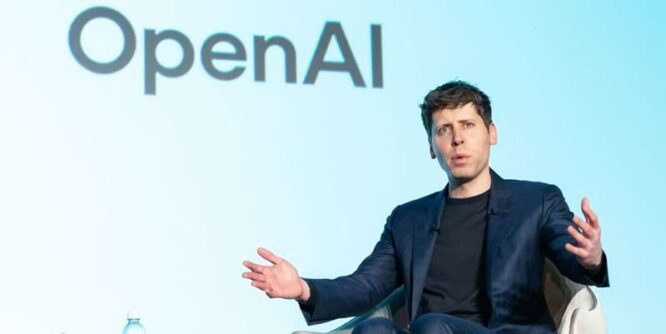
Neptune Is Known for AI Model Training Tracking Tools
OpenAI is gearing up for a major upgrade to its AI training stack. The company has agreed to acquire Neptune, a startup known for its clean and detailed tools for tracking AI model training. The deal comes at a time when OpenAI continues to scale its large language models.
Why OpenAI Wants Neptune
Neptune helps companies track, monitor, and debug model training. OpenAI already uses the tool to watch over GPT training runs. Therefore, the move feels strategic as the company pushes to make future models more stable, faster, and easier to fine-tune.
The value of the deal remains undisclosed. However, The Information reported that OpenAI is paying less than $400 million in stock. Reuters said OpenAI did not respond to their request for confirmation on the amount.
A Tool Built for Fast-Moving AI Labs
Neptune began as an internal tool at Deepsense. Moreover, it became an independent company in 2018 and raised more than $18 million since then. The tool is now used by global firms like Samsung, HP, and Roche.
With this acquisition, OpenAI gains a more controlled system for monitoring AI models. This helps the company reduce training delays, detect problems faster, and improve reliability. The move also strengthens its internal workflow as large models grow more complex.
A Big Moment for OpenAI’s Future Plans
The company reached a $500 billion valuation in October after employees sold $6.6 billion worth of shares. Analysts expect the company to prepare for one of the biggest IPOs ever, with a possible $1 trillion valuation. However, CFO Sarah Friar recently said a listing is not a near-term plan.
OpenAI has also taken a stake in Thrive Holdings to embed AI into traditional industries. Now, with Neptune inside its ecosystem, OpenAI gains a sharper view into how its models learn and improve.
The acquisition signals how seriously OpenAI views training transparency and efficiency as it builds newer generations of AI.