Nvidia Alpamayo Signals a Shift in Autonomous Driving
Nvidia has unveiled Alpamayo, a new open family of AI models built to change how autonomous vehicles make decisions. Announced at CES 2026, Alpamayo focuses on reasoning, not just reaction. The goal is simple. Help machines understand real-world driving like humans do.
According to Nvidia, this is a major step toward physical AI. Instead of following fixed rules, vehicles can now think through situations they have never seen before.
What Makes Alpamayo Different
At the center of the launch is Alpamayo 1. It is a 10 billion-parameter vision-language-action model. More importantly, it uses chain-of-thought reasoning. This allows an autonomous vehicle to break a problem into steps and evaluate multiple outcomes.
For example, if traffic lights stop working at a busy junction, Alpamayo does not panic. Instead, it reasons through the environment, considers safety, and selects the best action. This approach mirrors how human drivers react under uncertainty.
Explaining Decisions, Not Just Taking Them
One standout feature is transparency. Alpamayo does not just act. It explains why it acts. The model can describe the reasoning behind braking, steering, or accelerating. This makes debugging easier and builds trust in autonomous systems.
Nvidia believes this ability to explain decisions will become critical as self-driving technology scales to public roads.
Open Source Push for Developers
Nvidia has made Alpamayo 1 available on Hugging Face. Developers can fine-tune the model into smaller versions or adapt it for specific vehicle platforms. They can also build tools such as auto-labeling systems or decision evaluators.
In addition, Nvidia is releasing more than 1,700 hours of real-world driving data. The dataset includes rare and complex scenarios from different regions and conditions. This helps teams train systems beyond ideal environments.
Simulation and Synthetic Data Complete the Stack
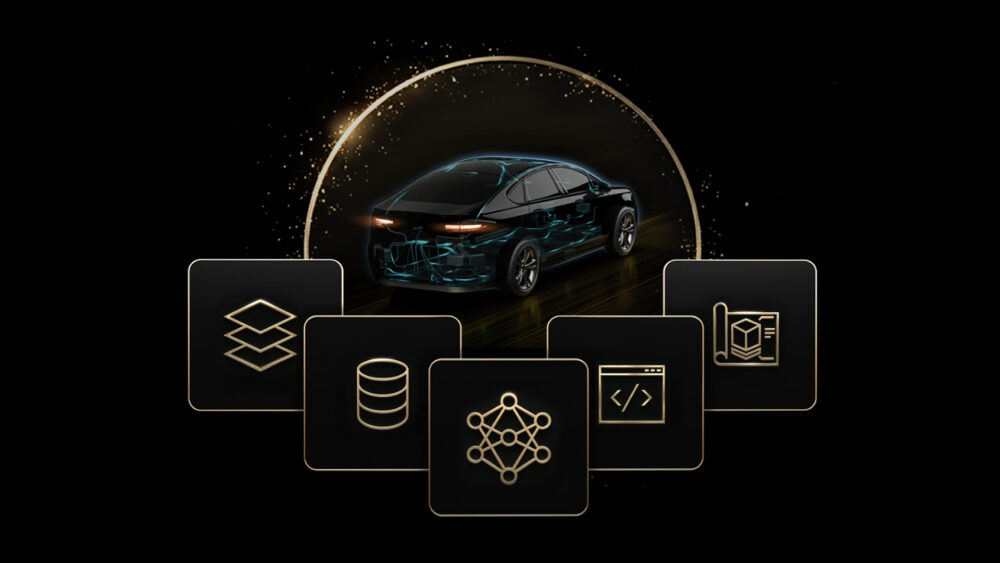
To support testing, Nvidia introduced AlpaSim. This open source simulation framework recreates real-world driving conditions, including sensors and traffic behavior. Developers can safely validate systems at scale.
Alpamayo also integrates with Nvidia Cosmos. Using synthetic data alongside real data helps improve training coverage and edge-case handling.
Relevance of Alpamayo
Autonomous vehicles struggle most with the unexpected. Alpamayo directly targets that problem. By combining reasoning, open data, and simulation, Nvidia is pushing self-driving technology toward safer and smarter deployment.
The launch signals a clear direction. The future of autonomy depends on understanding, not just automation.