Reasons to buy the Xiaomi Pad 8:
- Powerful Snapdragon 8s Gen 4 performance for heavy multitasking.
- Sharp 11.2-inch 144Hz display with Dolby Vision support.
- Improved HyperOS 3 with practical AI tools.
- Slim premium design with better portability than rivals.
- Reliable all-day battery with fast charging support.
- Strong stylus and keyboard ecosystem for productivity.
The Xiaomi Pad 8 arrives in India starting at ₹33,999, targeting users who want a serious productivity tablet. It replaces the already capable Pad 7 with faster hardware and smarter software. This time, Xiaomi focuses more on performance stability and stylus usability. The tablet also introduces HyperOS 3 features designed for multitasking workflows. At this price, it competes directly with Redmi Pad 2 Pro and older flagship tablets. So expectations are naturally higher across display, battery life, and ecosystem support. In this Xiaomi Pad 8 review, we examine whether the upgrade truly delivers better value in 2026.
Let us take a closer look.
Design feels lighter and more balanced
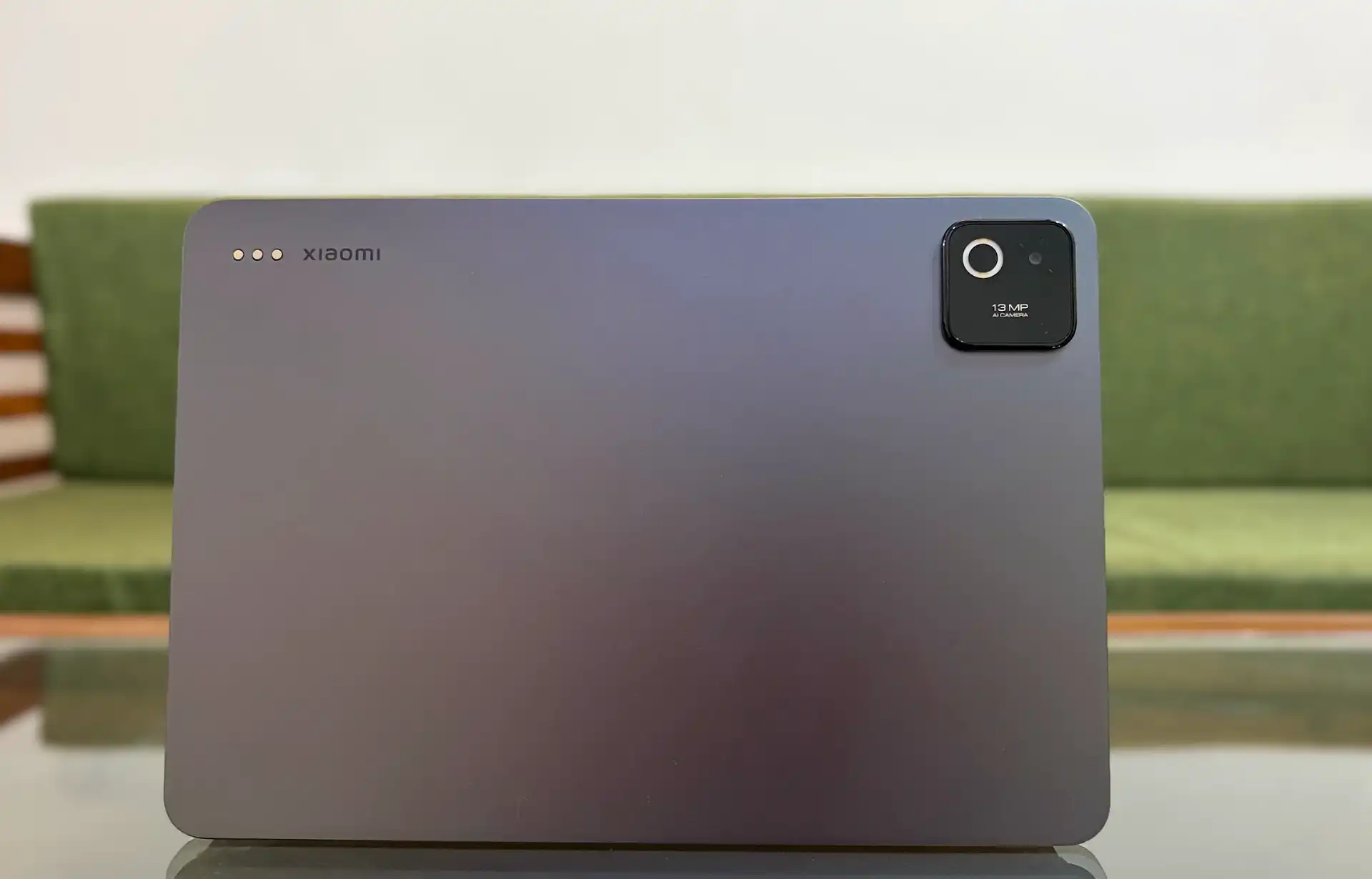
The Xiaomi Pad 8 keeps the familiar aluminium design language. However, the tablet now feels slimmer and easier to hold. The refined thickness improves comfort during long reading sessions. The Graphite Grey finish looks clean and professional. It also blends well in office environments. At the same time, the symmetrical bezels support a better grip during landscape use.
Compared with the Redmi Pad 2 Pro, the Xiaomi Pad 8 feels more portable. That difference becomes noticeable during travel and extended usage. Still, Xiaomi does not offer official IP certification here. Some rivals already include splash resistance. So durability could improve in future versions.
Display remains one of the biggest strengths
The Xiaomi Pad 8 features an 11.2-inch LCD display with 3200 × 2136 resolution. It also supports a 144Hz refresh rate. As a result, scrolling feels smoother across apps and web pages. Dolby Vision support improves contrast during streaming sessions. Colours look vibrant without appearing unnatural. Peak brightness also stays comfortable for indoor productivity.
The optional Nano Texture Display version improves stylus writing accuracy. That creates a paper-like surface feel for note-taking users. Compared with the Redmi Pad 2 Pro, the display is smaller but sharper. Therefore, clarity feels better during reading and sketching tasks. For most users, this remains one of the strongest displays in its category.
HyperOS 3 adds practical AI improvements
Software plays an important role in tablet usability. Xiaomi Pad 8 runs Android 16 with HyperOS 3. The interface feels cleaner than earlier versions. Split-screen multitasking works reliably across apps. Floating windows also improve workflow flexibility. Switching between writing and browsing feels faster now.
AI tools bring additional support for meetings and research. Features like AI Writing and Live Subtitles improve everyday productivity. These additions do not feel experimental. Instead, they work quietly in the background. Compared with the previous generation software, optimisation feels noticeably stronger.
However, workstation mode still needs refinement. Window transitions sometimes feel slower than expected. Xiaomi can improve this further.
Performance finally reaches flagship tablet levels
Performance is where the Xiaomi Pad 8 shows the biggest upgrade. It uses the Snapdragon 8s Gen 4 processor. That brings a clear jump over the earlier chipset. Every day navigation feels smooth. App switching remains stable even with multiple tabs open. Editing documents while streaming also works without lag.
Benchmark numbers reflect this improvement clearly. The tablet scored strong results across Geekbench and AnTuTu tests. These results place it ahead of Redmi Pad 2 Pro in this category. Gaming performance also remains consistent. Frame rates stay stable across demanding titles. Thermal control feels balanced during longer sessions.
For users planning long-term usage, this processor offers better future readiness.
Cameras stay practical for productivity use
Tablet cameras rarely attract attention. However, the Xiaomi Pad 8 performs reliably for daily tasks. The 13MP rear camera captures documents clearly. It also supports 4K recording at 30fps. That helps during quick presentations and scanning work.
The 8MP front camera performs well for video meetings. Landscape placement improves framing naturally. Compared with the Redmi Pad 2 Pro, camera output remains similar. However, Xiaomi’s processing appears slightly sharper indoors.
Overall, the cameras remain functional rather than experimental.
Battery easily handles full-day usage
Battery life remains dependable on the Xiaomi Pad 8. The 9200mAh battery supports mixed workloads comfortably. Streaming, browsing, and note-taking can last an entire working day. Even extended video sessions rarely require mid-day charging.
The tablet supports 45W fast charging. That reduces downtime significantly. Compared with the Redmi Pad 2 Pro, the battery capacity is smaller. However, the charging speed is faster here. That balance improves daily usability.
Reverse charging support also adds flexibility in emergencies.
Accessories improve the productivity experience
Accessories play a major role in tablet usefulness. Xiaomi Focus Pen Pro performs well with the Xiaomi Pad 8. The stylus supports high-pressure sensitivity. Writing feels natural during note-taking sessions. Gesture controls also improve navigation efficiency.
The floating keyboard adds a laptop-style workflow. Key travel feels comfortable during longer typing sessions. However, the hinge design could improve further. Repeated opening feels slightly stiff during daily use. Still, the accessory ecosystem strengthens the tablet’s productivity focus.
Verdict: A meaningful upgrade with a few small gaps
The Xiaomi Pad 8 delivers clear improvements over its predecessor. Performance feels stronger. Software feels more stable. Stylus interaction also feels more refined.
Compared with the Redmi Pad 2 Pro, the tablet offers better speed and portability. However, Redmi still leads in battery capacity and durability protection.
For users upgrading from the Xiaomi Pad 7, the improvements feel noticeable. For first-time buyers, the Xiaomi Pad 8 stands as one of the strongest productivity tablets in this segment.
It is not perfect yet. Workstation mode still needs polishing. Durability certification would also help. Still, for users who value performance and display quality, the Xiaomi Pad 8 remains a smart choice today.