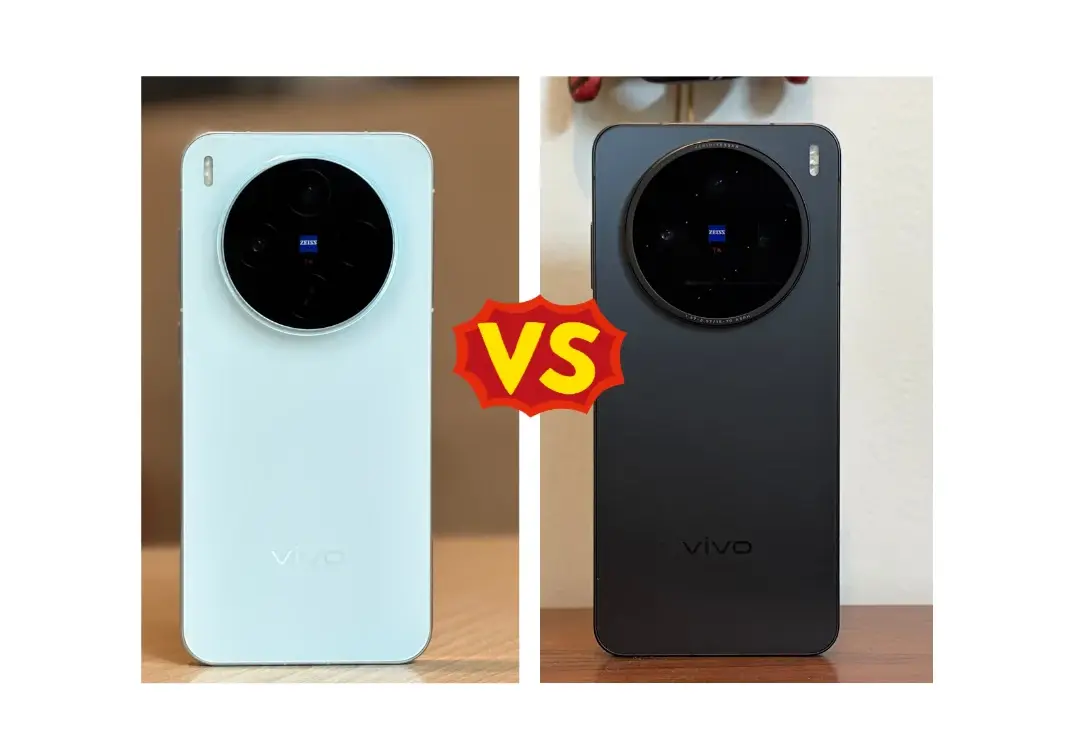
Vivo X200T vs Vivo X300
Vivo’s premium lineup has expanded quickly, and that has created an interesting overlap between the Vivo X200T and the Vivo X300. On paper, both phones appear close in several areas. However, their positioning tells a different story. The Vivo X200T targets the upper mid-premium segment, while the Vivo X300 sits firmly in the flagship category.
For buyers deciding between the two, the real question is simple: does the price difference justify what the X300 offers, or is the X200T already good enough? Here is a clear, practical comparison to help you decide.
Design and Form Factor: Compact Flagship vs Larger Premium Phone
The first noticeable difference is size and handling.
The Vivo X300 focuses on compact usability. With its 6.31-inch footprint and lighter body, it is easier to use with one hand. The premium glass finish, slim profile, and balanced weight give it a refined flagship feel. Durability also remains strong with IP68 and IP69 protection.
The Vivo X200T, in contrast, is larger and slightly heavier. Its flat display and matte glass finish offer a sturdy grip, and the circular camera module gives it a flagship-like presence. However, it does not match the X300’s compact comfort or premium tactile finish.
If compact handling matters, the X300 clearly leads. The design difference alone makes the flagship feel more refined in daily use.
Display: Similar Quality, Flagship Refinement Wins
Both phones deliver strong display performance, yet the flagship panel still stands ahead.
The Vivo X200T uses a large 6.67-inch AMOLED display with high brightness and smooth 120Hz refresh rate. It offers vibrant colors and excellent outdoor visibility. For gaming and video consumption, the larger screen creates an immersive experience.
The Vivo X300 uses a smaller 6.31-inch LTPO display with advanced adaptive refresh rate technology and refined HDR tuning. Motion handling feels smoother, brightness remains consistent across lighting conditions, and eye-care optimizations improve long-term viewing comfort.
Although both displays perform well, the X300’s panel is technically superior and better tuned. The difference is subtle, but it becomes noticeable during extended use.
Software and AI: Same Generation, Better Optimization
Both phones run OriginOS 6 based on Android 16, which keeps the software experience modern and feature-rich. However, the flagship device benefits from deeper system optimization.
The Vivo X200T delivers smooth multitasking, useful AI tools, and productivity-focused features like AI captions, smart search, and call optimization. The experience feels polished and responsive.
The Vivo X300, however, integrates these features more tightly into the system. Smart suggestions, cross-device workflows, and contextual AI tools function faster and feel more seamless. Animations also appear slightly more refined.
While the difference is not dramatic, the X300 offers the cleaner and more mature software experience overall.
Performance: Clear Advantage for the Flagship Chipset
Performance is where the gap becomes more visible.
The Vivo X200T runs on the MediaTek Dimensity 9400+ chipset. It handles daily tasks effortlessly, runs demanding apps smoothly, and supports high-frame-rate gaming without major heating issues. For most users, this level of performance already feels fast.
The Vivo X300, however, uses the newer Dimensity 9500 chipset built on an updated architecture. Benchmark results show a clear improvement in both CPU and GPU performance. Heavy multitasking, extended gaming sessions, and professional workloads run more efficiently on the flagship device.
Although the X200T remains powerful, the X300 delivers stronger sustained performance and better long-term headroom. In this category, the flagship wins comfortably.
Camera: A Major Gap in Imaging Capability
Camera performance creates the biggest separation between the two phones.
The Vivo X200T features a triple 50MP camera system with strong ZEISS tuning. Daylight photos look detailed, portraits appear natural, and zoom capabilities remain reliable. For its price, the imaging performance is impressive.
The Vivo X300, however, operates at a different level. Its 200MP ZEISS main camera captures exceptional detail and dynamic range. Advanced image processing, improved low-light performance, and superior telephoto clarity make it one of the strongest camera systems in the segment. Even the front camera delivers flagship-grade selfies with autofocus and high resolution.
In real-world photography, the X300 produces noticeably sharper images, better tonal balance, and stronger zoom results. The difference is visible without side-by-side testing. This alone makes the flagship a clear leader.
Battery and Charging: Close Competition
Battery capacity on both phones is strong, but the approach differs slightly.
The Vivo X200T offers a large battery that comfortably lasts more than a full day. Fast wired charging and wireless charging support make daily use convenient.
The Vivo X300 uses a slightly smaller battery but compensates with strong system optimization. Real-world usage still delivers full-day endurance, and the charging speeds remain similarly fast.
In this category, the difference is minimal, though the X200T holds a slight advantage in raw capacity.
Price vs Value: Where the Decision Becomes Clear
The Vivo X200T is priced lower and provides strong performance, a bright display, reliable cameras, and excellent battery life. For users who want near-flagship features without paying flagship prices, it remains a sensible option.
However, the Vivo X300 brings meaningful upgrades across performance, imaging, display tuning, and build refinement. These improvements are not incremental; they are clearly visible in daily usage, especially in photography and long-term performance stability.
Final Decision: The Clear Winner
When comparing overall capability, the Vivo X300 emerges as the clear winner. It delivers stronger performance, a significantly better camera system, refined software optimization, and a more premium compact design.
The Vivo X200T remains a capable upper mid-premium device, but the Vivo X300 offers a more complete flagship experience with fewer compromises. For buyers deciding between the two and willing to stretch the budget slightly, the X300 stands out as the more sensible long-term choice.