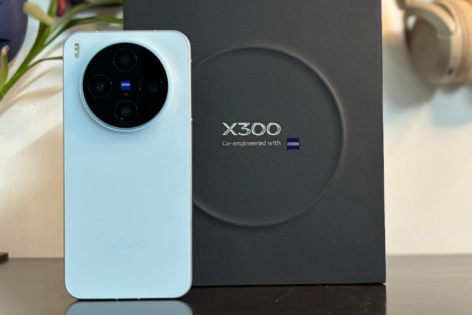
Vivo X300 Review
Reasons to Buy
- Vivo X300 features industry-leading ZEISS camera system with superb low-light performance
- Compact 6.31-inch design that feels premium and easy to use
- Bright 8T LTPO display with 4500-nit peak brightness
- Smooth OriginOS 6 with helpful AI features
- Strong all-round performance with MediaTek Dimensity 9500
- Reliable all-day battery life with fast wired and wireless charging
The Vivo X300 enters the Indian market at ₹75,999, and it arrives with a clear focus. Vivo wants to offer the best camera experience under 75k. That ambition feels real the moment you start using the phone. The X300 builds on the company’s growing reputation in mobile imaging, yet it keeps things simple for everyday users. It also takes on strong rivals like the OnePlus 15, Realme GT 8 Pro, and iQOO 15. All of them offer fast performance and big batteries, but none of them match the X300’s camera consistency. The compact size adds another layer of charm, especially when most flagship phones now feel bulky. With that context, the question is simple—does the Vivo X300 deliver enough to stand out?
Design
The compact design is the first thing you notice. The 6.31-inch size makes the phone easy to use with one hand. The 7.99mm thickness and 190g weight add to the comfort. The Coral Velvet Glass finish looks elegant and stays clean. The Mist Blue variant plays with light and shifts between blue and white tones. It feels soft yet premium.
The unibody 3D glass design blends smoothly into the frame. The camera module looks like a natural extension of the back panel. The front remains clean with thin, symmetrical bezels. Buttons feel tactile, and the ports are well placed.
Vivo has also added Diamond Armor Glass and IP68 + IP69 protection. This puts the X300 ahead of many rivals in durability while still feeling compact.
Display
The X300 uses a 6.31-inch 8T LTPO panel with an adaptive refresh rate. The peak brightness touches 4500 nits, while the global peak hits 2000 nits. Outdoor visibility is strong, even under harsh sunlight. This makes it brighter than the OnePlus 15 and on par with the Realme GT 8 Pro.
Colours look natural and vivid. HDR tuning has improved, and the Immersive Dual-Engine keeps saturation stable in bright environments. The UltraMotion feature lifts refresh rates in apps that usually stay locked. This creates smooth animations and consistent motion.
The screen also supports 1-nit minimum brightness and eye-comfort features. Long reading sessions feel easy and strain-free.
Software with subtle AI touches
OriginOS 6 on Android 16 brings a neat mix of animation and utility. The interface feels polished. The redesigned control center supports one-hand use. Icons look cleaner, and transitions feel refined.
Flip Cards add depth to wallpapers using gyroscope movement. Origin Island brings useful AI suggestions for calls, meetings, and navigation. Drag-and-drop actions work across many apps. Content extraction and sharing feel quick.
The Office Kit lets you mirror your phone to a PC and sync notes with ease. These features stay practical without feeling gimmicky. Compared to OxygenOS 16, OriginOS is more animated, yet it stays more stable than Realme UI.
Performance
The X300 runs on the MediaTek Dimensity 9500, paired with up to 16GB RAM and 512GB storage. Daily tasks feel smooth. Apps open quickly, and switching between heavy apps remains stable. Benchmarks sit slightly behind the Realme GT 8 Pro and iQOO 15, but real-world usage stays strong.
The GPU score is close to the iQOO 15, and games like BGMI and COD Mobile run well. Frame drops are rare. The Glacier Cooling System keeps temperatures under control. The cool-touch frame makes long gaming sessions comfortable.
However, heavy gamers might still prefer the iQOO 15, which offers better optimization in some titles. But for most users, the X300 offers reliable and steady performance.
Camera that leads the segment
This is where the X300 becomes the best camera flagship under 75k. The 200MP ZEISS main camera captures extraordinary detail. Shots stay sharp without looking harsh. Multi-frame fusion builds depth, tone, and dynamic range into each frame. Low-light performance is excellent. The ZEISS T* coating cuts reflections and maintains contrast.
Portraits look natural. Skin tones stay accurate. The ZEISS Natural Portrait mode avoids aggressive smoothing. You get realistic textures and consistent lighting.
The telephoto camera with the LYT-602 sensor brings 100x HyperZoom. Long-range shots retain clarity, text remains readable, and buildings look defined. NICE 3.0 and Magic 2.0 enhance zoom images without adding noise.
The 50MP front camera supports autofocus. Selfies stay sharp and maintain true colours. The V3+ chip processes images quickly and avoids artificial rendering.
The camera system easily outperforms the OnePlus 15, Realme GT 8 Pro, and iQOO 15 in most situations, especially in low light and portrait modes.
Battery that lasts through the day
The 6040mAh battery is smaller than the massive units in the OnePlus 15 and Realme GT 8 Pro. Yet Vivo’s optimizations help it last a full day. The silicon-anode tech improves efficiency. With regular use, the phone reaches bedtime without stress.
Charging is solid with 90W wired and 40W wireless. The Realme GT 8 Pro may charge faster, but the X300 remains dependable. Bypass charging also helps reduce heat during gaming.
Verdict
The Vivo X300 is a strong flagship with a clear identity. It offers a compact, premium design, a bright display, smooth software, and reliable performance. But its biggest win is its camera system. The ZEISS partnership shines again, and the results speak for themselves. If you want the best camera phone under ₹75,000, the Vivo X300 is the winner. It beats the OnePlus 15, Realme GT 8 Pro, and iQOO 15 in imaging, and it delivers a balanced flagship experience for everyday use.