Key highlights
- Razer introduces Project Motoko, an AI-powered gaming headset at CES 2026
- The headset uses cameras for object recognition and text reading
- It supports real-time language translation and document scanning
- Project Motoko works with AI platforms like Gemini and OpenAI
- The device remains a concept with no confirmed launch timeline
Razer expands its vision beyond gaming audio
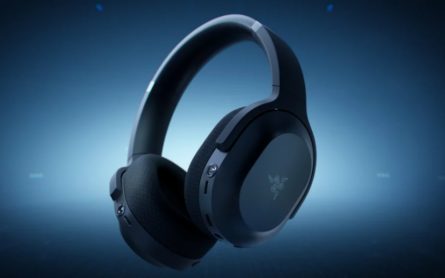
Razer used the CES 2026 stage to spotlight Project Motoko, a concept headset that goes far beyond traditional gaming audio. While it looks like a standard over-ear headset, the technology inside tells a different story. Razer describes Project Motoko as an AI wearable designed for users who want smart assistance without wearing smart glasses.
The move signals Razer’s growing interest in AI-driven consumer hardware. It also reflects how gaming accessories are evolving into multi-purpose devices.
Project Motoko blends AI and real-world awareness
Project Motoko features forward-facing cameras built into the headset. These cameras allow the device to analyze surroundings in real time. According to Razer, the system can identify objects, read printed text, and scan documents instantly.
At the same time, the headset supports real-time language translation. This feature could help users understand signs, documents, or conversations in different languages. The AI processes visual and audio input together, creating a more context-aware experience.
AI assistant support sits at the center
Razer says Project Motoko supports major AI ecosystems, including Gemini and OpenAI. Users can interact with these assistants through voice commands. Multiple microphones on the headset handle speech detection and command recognition.
This setup allows users to ask questions, get explanations, or request translations without touching a phone. The experience remains hands-free and continuous, aligning with the wearable AI concept.
A smart glasses alternative from Razer
Instead of placing AI on eyewear, Razer chose a headset form factor. This design may appeal to users who already wear headsets for gaming or work. It also avoids the visibility and comfort concerns often linked to smart glasses.
Project Motoko delivers similar capabilities seen in AI glasses but keeps the focus on audio-first interaction. The headset design also allows more space for sensors and microphones.
Concept device with an uncertain future
Razer confirmed that Project Motoko is still a concept. The company has not shared details about pricing, battery life, or commercial availability. There is also no timeline for a retail launch.
For now, Project Motoko serves as a preview of how Razer sees the future of AI wearables. Whether it becomes a consumer product will depend on further development and market response.