Key Highlights
- Apple introduces the second-generation AirPods Max priced at $549
- New model runs on Apple’s H2 chip and improves active noise cancellation
- Adds Adaptive Audio, Conversation Awareness, and live translation features
- Orders begin March 25 in over 30 countries with retail sales starting next month
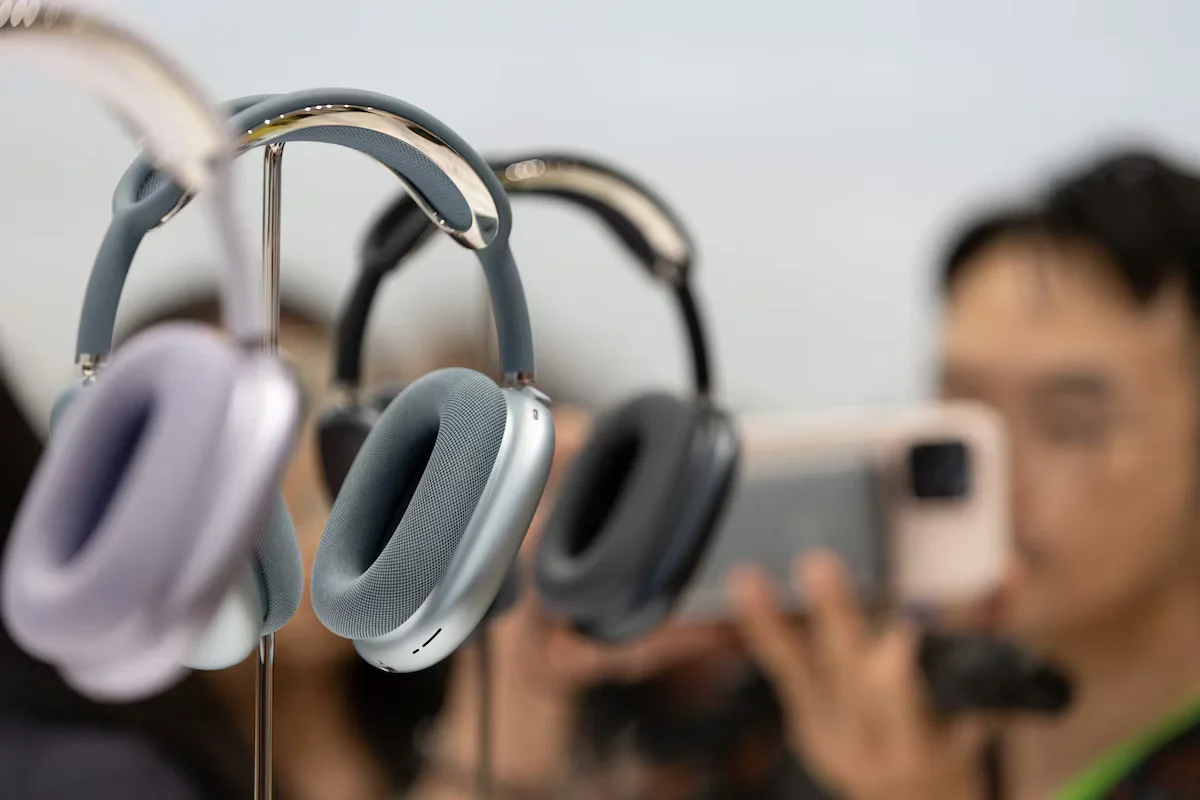
Apple has officially unveiled the second-generation AirPods Max, marking the first major update to its premium over-ear headphones in more than five years. The new model retains the $549 price tag but adds new audio technologies, improved noise cancellation, and AI-driven features powered by Apple Intelligence.
The announcement signals Apple’s attempt to strengthen its position in the high-end headphone market, a segment currently led by brands such as Sony, Bose, and Sennheiser. The updated headphones will be available to order starting March 25 in more than 30 countries, with retail availability expected early next month.
With improved sound processing, smarter audio features, and support for lossless audio through USB-C, the new headphones expand Apple’s growing audio ecosystem.
What is new in Apple AirPods Max 2?
The Apple AirPods Max 2 arrives with several upgrades designed to improve listening quality, communication, and real-time interaction. The most significant change is the integration of Apple’s H2 chip.
The H2 chip already powers several of Apple’s newer AirPods models. In the new AirPods Max, it enables better audio processing and more efficient noise cancellation. As a result, the headphones aim to deliver clearer sound and more immersive listening experiences.
Apple also upgraded the microphone system. The improved microphones help isolate voices more effectively during calls and reduce background noise. This change targets users who frequently use headphones for remote meetings or voice communication.
In addition, the headphones introduce new smart audio features that adapt dynamically to the listening environment.
How does Apple improve noise cancellation?
Noise cancellation remains one of the core features of the Apple AirPods Max 2. According to Apple, the updated model offers stronger active noise cancellation than the previous generation.
The improved system uses the H2 chip to process environmental sound faster and more precisely. By analyzing external noise in real time, the headphones can reduce unwanted sound more effectively.
This improvement is important in a market where competitors such as Sony and Bose have historically led in noise-canceling technology. Apple’s update aims to narrow that gap and provide a more consistent listening experience in crowded environments like airports, trains, and offices.
Better noise reduction also helps users focus on music, podcasts, or calls without distraction.
What are Adaptive Audio and Conversation Awareness?
Apple also introduced new intelligent listening features in the updated headphones.
Adaptive Audio automatically adjusts the audio settings based on surrounding noise levels. For example, it can balance noise cancellation and environmental awareness depending on the user’s environment.
Conversation Awareness is designed for quick interactions. When the system detects the user speaking, it automatically lowers the audio volume and enhances nearby voices. This allows users to speak with someone without removing the headphones.
These features aim to make the listening experience more natural and responsive.
Live translation powered by Apple Intelligence
One of the standout additions to the Apple AirPods Max 2 is live translation. The feature allows users to translate in-person conversations across languages.
Apple first introduced live translation on the AirPods Pro 3. The company has now expanded it to the new AirPods Max.
The feature works using Apple Intelligence, the company’s AI platform. It processes speech and translates it in real time through the headphones.
This capability could help travelers, students, and international professionals communicate across language barriers more easily.
The feature also reflects Apple’s broader push to integrate AI across its hardware ecosystem.
Lossless audio support for professionals
Another key update is support for high-resolution lossless audio when the headphones are connected using USB-C.
Lossless audio preserves more detail compared with standard compressed formats. This makes it particularly valuable for music creators, sound engineers, and professional users who require higher audio fidelity.
By supporting lossless playback, Apple aims to make the AirPods Max more appealing to creators and advanced listeners.
It also aligns the headphones with Apple Music’s growing catalog of high-resolution tracks.
Why the update matters for the premium headphone market
Apple’s update arrives in a competitive market dominated by established audio brands.
Sony, Bose, and Sennheiser have long been considered leaders in premium headphones, particularly in areas like noise cancellation and audio fidelity.
By introducing the Apple AirPods Max 2, Apple appears focused on strengthening its ecosystem advantage. Features like live translation, Adaptive Audio, and deep integration with Apple devices could help differentiate the product.
Apple also continues to expand its hardware lineup with AI-powered features, signaling a shift toward smarter, context-aware consumer devices.
Availability and pricing
Apple has priced the new headphones at $549, the same launch price as the original AirPods Max.
Customers will be able to order the device starting March 25 in more than 30 countries. Retail availability will begin early next month, according to the company.
The launch follows several updates to Apple’s broader AirPods lineup in recent months.
Conclusion
With stronger noise cancellation, AI-driven features, and support for lossless audio, the Apple AirPods Max 2 represents the company’s most significant update to its over-ear headphones since 2020. As Apple expands Apple Intelligence across its devices, the new headphones highlight how AI and audio technology are increasingly merging in consumer electronics.