Key Highlights:
- Apple is positioning these devices against efforts by Meta and OpenAI.
- Apple is accelerating work on AI-powered wearables linked to the iPhone.
- Products include smart glasses, a camera-equipped pendant, and AI-enhanced AirPods.
- All devices rely on Siri with visual context, marking a shift beyond phones.
Apple is fast-tracking three new AI-powered wearable devices as it prepares for a future where artificial intelligence moves beyond the smartphone. The lineup — smart glasses, a shirt-clip or necklace-style pendant, and upgraded AirPods — signals Apple’s clearest shift yet toward always-on, visually aware hardware.
This matters because Apple is playing catch-up in AI. These devices aim to keep users inside the Apple ecosystem as AI assistants become more central to daily life.
How Apple plans to use AI beyond the iPhone
All three devices are designed to work alongside the iPhone. They rely on cameras and microphones to feed real-world visual context into Siri. Instead of just responding to voice commands, Siri would understand what users see.
Apple is preparing a more advanced Siri experience in upcoming software updates, including a chatbot-style interface. The company is also working with Google on underlying AI models.
Smart glasses: Apple’s biggest AI hardware bet?
Apple’s smart glasses, internally known as N50, are the most advanced product in development. They feature two cameras — one for high-quality photos and video, and another for computer vision.
The glasses will not include a display. Instead, users interact through voice, audio feedback, and cameras. Siri could identify objects, read printed text, set reminders, and guide navigation using real-world landmarks.
Apple is targeting production as early as December, with a public launch expected in 2027.
What is Apple’s AI pendant, and who is it for?
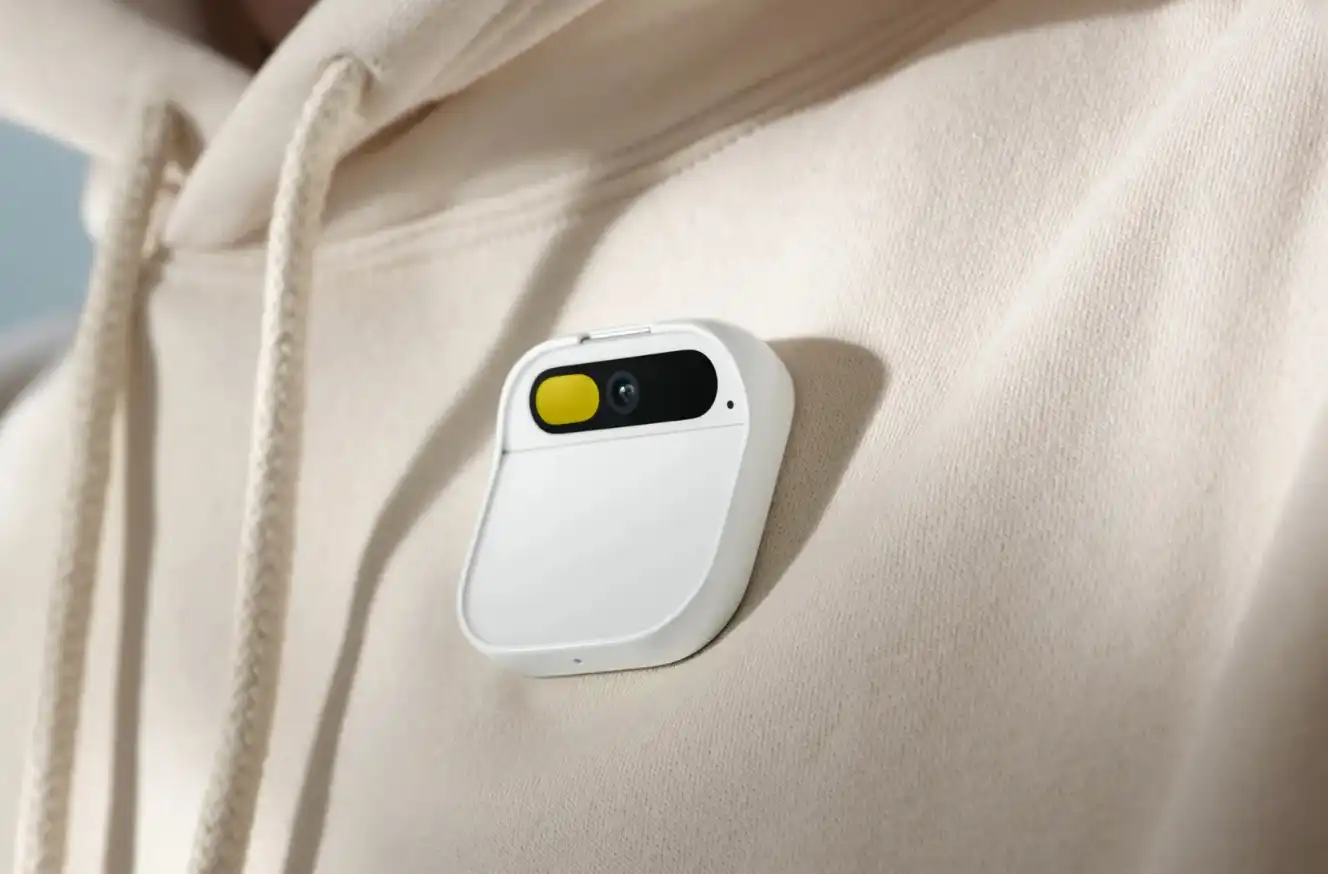
The pendant is a simpler AI wearable. It acts as the “eyes and ears” of the iPhone. Users can clip it to clothing or wear it as a necklace.
Unlike the failed Humane AI Pin, this device relies heavily on the iPhone for processing. It has no display and may or may not include a speaker. The project remains early-stage and could launch as soon as next year.
AI AirPods: What’s changing?
Apple is also developing camera-equipped AirPods. The cameras are low-resolution and designed for AI context, not photography. These AirPods already support features like live translation and could expand into real-time visual assistance.
The bigger picture for Apple
Apple’s last major new category, Vision Pro, struggled with adoption. This renewed focus on wearables shows Apple searching for a more practical AI breakthrough. As competitors move fast, Apple is betting that tightly integrated AI hardware can define its next decade.
Conclusion
With Apple accelerating smart glasses, pendants, and AI-powered AirPods, the company is signaling a shift toward ambient, visual-first computing. The success of this strategy could determine how Apple stays relevant in an AI-driven future.