Key Highlights:
- Amazon is developing a new smartphone project internally called “Transformer”.
- The device focuses on AI integration, Alexa, and deep personalization.
- It may reduce reliance on traditional app stores through AI capabilities.
- The project is still in development and could be canceled.
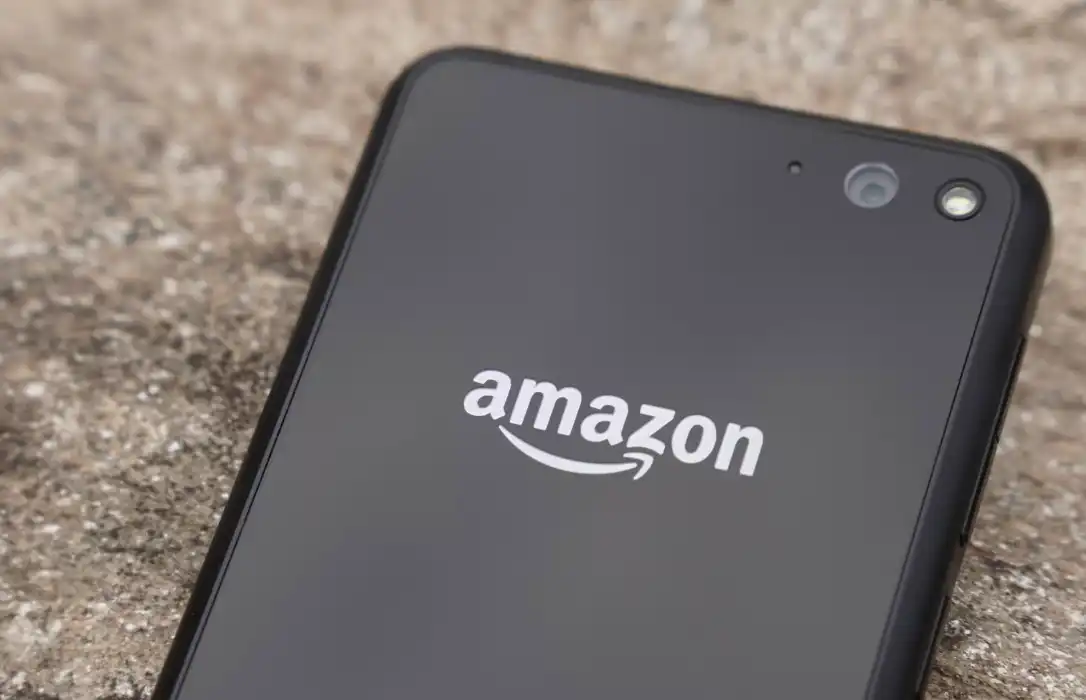
Amazon is working on a new smartphone project codenamed “Transformer,” according to a Reuters report. The device is being developed inside its devices and services unit and focuses heavily on artificial intelligence, Alexa integration, and mobile personalization.
This marks Amazon’s return to smartphones after the failure of the Fire Phone in 2014. However, this time, the company appears to be taking a very different approach — one centered on AI rather than hardware gimmicks.
Why Is Amazon Building a New Phone Now?
Amazon’s earlier attempt with the Fire Phone failed within 14 months. It struggled due to limited apps, high pricing, and overheating issues. Yet, the company has not abandoned its long-term vision.
That vision involves creating a voice-first, AI-powered ecosystem. The Transformer project aims to bring that idea closer to reality. It could act as a daily companion device that connects users with Amazon’s services throughout the day.
Moreover, Amazon sees smartphones as a key gateway. They provide access to user behavior, preferences, and purchasing habits. This data could help Amazon strengthen its ecosystem across shopping, streaming, and services.
How Will AI Shape the Transformer Phone?
Artificial intelligence is at the core of the Transformer project. Unlike traditional smartphones, this device may rely less on apps and more on AI-driven interactions.
For example, users might not need to download apps. Instead, AI could handle tasks like booking services, ordering food, or streaming content directly. This approach could simplify the user experience.
At the same time, Alexa will likely play a central role. However, it may not act as the operating system. Instead, it could function as a deeply integrated assistant across the device.
Amazon has already revamped Alexa using AI in recent years. The Transformer phone could extend that experience into a mobile-first format.
What Can Users Expect From Personalization?
Personalization appears to be one of the strongest focus areas. The phone could adapt to user habits across different services. For instance, it may simplify shopping on Amazon, watching Prime Video, or listening to Prime Music. It could also integrate with partners like Grubhub for food ordering.
This level of personalization could make the device more proactive. Instead of users searching for services, the phone may anticipate their needs. However, details such as pricing, launch timeline, and business model remain unclear.
Is Amazon Trying a Different Form Factor?
Interestingly, Amazon is not limiting itself to a traditional smartphone. Reports suggest the company is also exploring a minimalist or “dumbphone” version. This idea draws inspiration from devices like the Light Phone. Such phones focus on essential features while reducing screen time and distractions.
If launched, this version could target users looking for a secondary device. It may also appeal to those concerned about digital overload. This approach reflects a broader trend. Some consumers now prefer simpler devices alongside their primary smartphones.
Who Is Behind the Transformer Project?
The project is being led by Amazon’s ZeroOne group. This is a relatively new team focused on building “breakthrough” devices. ZeroOne is headed by J Allard, a former Microsoft executive. He previously worked on products like the Xbox and Zune.
Meanwhile, Amazon’s devices chief Panos Panay is overseeing broader efforts to improve the division’s performance. The company has faced challenges in making its hardware business profitable.
What Challenges Does Amazon Face?
Amazon’s return to smartphones will not be easy. The market is currently dominated by Apple and Samsung, which together control a large share of global sales.
Additionally, smartphone shipments are expected to decline sharply in 2026. Rising component costs are pushing device prices higher. Another challenge is user behavior. Consumers are deeply tied to existing app ecosystems. Moving away from app stores could be difficult, even with AI.
Past attempts at AI-first hardware have also struggled. Devices like Humane AI Pin and Rabbit R1 failed to gain traction. This raises questions about whether users are ready for such a shift.
Why Does This Matter in the AI Race?
The Transformer project highlights Amazon’s urgency in the AI space. While the company leads in cloud computing through AWS, it has lagged in consumer-facing AI products.
This phone could change that. It may act as a bridge between Amazon’s services and everyday user interactions. At the same time, competitors are also moving fast. Companies like Apple, Google, and Meta are exploring AI-powered devices, including glasses and wearables.
Therefore, Amazon’s success will depend on execution. The idea is ambitious, but the market is already crowded.
The Bottom Line
Amazon’s Transformer project signals a bold return to smartphones. This time, the focus is not on hardware features but on AI and personalization. However, the project remains uncertain. It could still be scrapped depending on strategy or financial considerations.
Still, if launched, the device could reshape how users interact with services. And it could give Amazon a stronger foothold in the AI-driven future of mobile computing.
In the end, Amazon’s Transformer phone reflects a bigger shift. Smartphones may soon evolve from app-driven tools to AI-powered companions.