Key Highlights
- Amazon is developing a new smartphone internally called “Transformer,” according to Reuters.
- The Amazon smartphone is designed to center on AI, Alexa, and Prime services rather than apps.
- The project is led by Amazon’s ZeroOne hardware group and could still be scrapped.
- Amazon is re‑entering a shrinking global smartphone market dominated by Apple and Samsung.
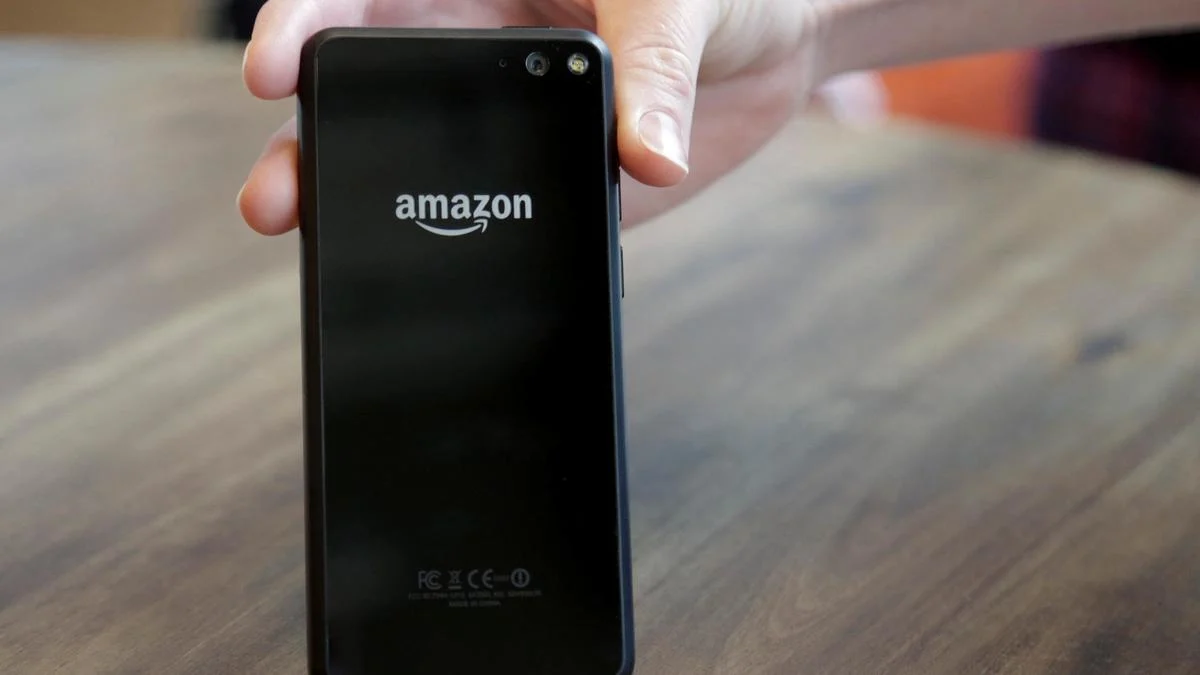
Amazon is planning a smartphone comeback more than a decade after its Fire Phone failed, according to a Reuters report published on March 23, 2026. The new Amazon smartphone, developed internally under the codename “Transformer,” aims to put artificial intelligence, voice interaction, and Amazon’s services ecosystem at the center of daily use.
The effort marks Amazon’s most serious attempt yet to revive Jeff Bezos’ long‑standing vision of a voice‑driven personal computing device that stays with users throughout the day.
Why is Amazon building another smartphone?
Amazon’s first smartphone, the Fire Phone, launched in 2014 and was discontinued within 14 months after weak sales and heavy losses. Despite that history, the company is again pursuing a mobile device as a gateway to shopping, entertainment, and AI‑powered services.
According to four people familiar with the project, the Amazon smartphone is envisioned as a personalization hub that syncs tightly with Alexa and connects users to Amazon services wherever they are. Internally, the phone is viewed less as a traditional handset and more as a conduit to Amazon’s ecosystem.
Reuters reported that Amazon declined to comment on the project, and many details remain unclear, including pricing, launch timing, and financial investment.
What will the Amazon smartphone do differently?
The central idea behind the new Amazon smartphone is reducing reliance on traditional apps. Instead of downloading and logging into multiple applications, users could interact through AI‑driven voice commands.
Key expected capabilities include:
- Easier shopping on Amazon.com using voice or AI prompts
- Seamless access to Prime Video, Prime Music, and other subscription services
- Integration with food delivery partners such as Grubhub
- Deep personalization based on user behavior and preferences
Alexa is expected to play a major role, though sources told Reuters it may not serve as the phone’s primary operating system.
How AI shapes Amazon’s smartphone strategy
Artificial intelligence is a core focus of the Transformer project. Amazon sees the device as another way to increase everyday AI usage, either directly on the phone or through Alexa.
This approach comes as several AI‑native hardware efforts have struggled. Devices like the Humane AI Pin and Rabbit R1 were discontinued or poorly received, raising questions about whether consumers are ready to abandon app‑based smartphones.
Still, competitors are moving quickly. OpenAI is working on hardware with former Apple designer Jony Ive, while Apple, Google, and Meta are developing AI‑embedded glasses, watches, and audio devices.
Who is leading the project inside Amazon?
The Amazon smartphone is being developed within a specialized hardware group called ZeroOne. The team was formed about a year ago with a mandate to build “breakthrough” devices.
ZeroOne is led by J Allard, a former Microsoft executive known for his work on the Xbox and Zune. The broader devices and services division is overseen by Panos Panay, who has been working to reduce years of losses in Amazon’s hardware business.
Reuters also reported that Amazon is preparing a tablet that will run Android instead of Fire OS, signaling a broader shift in hardware strategy.
Will Amazon repeat its Fire Phone mistakes?
Amazon’s Fire Phone failed for several reasons. It lacked access to popular apps, relied on a proprietary operating system, and included battery‑draining features that frustrated users. Amazon ultimately took a $170 million charge for unsold inventory.
This time, the company appears focused on simplicity and AI rather than flashy hardware. Sources told Reuters that Amazon has explored both a traditional smartphone and a “dumbphone” with limited features aimed at reducing screen addiction.
One inspiration cited was the Light Phone, a minimalist device with basic tools and no app store.
Can Amazon break into a crowded smartphone market?
Amazon faces tough market conditions. Apple and Samsung control roughly 40% of global smartphone sales, according to Counterpoint Research. Industry analysts expect global shipments to fall 13% in 2026 as rising component costs push prices higher.
Some Amazon executives reportedly see a limited‑feature phone as a possible second device rather than a full replacement for iPhones or Android handsets. Feature phones and minimalist devices accounted for about 15% of global handset sales in 2025.
Analysts quoted by Reuters said Amazon’s ecosystem gives it an opening, but the opportunity is narrow as rivals move fast.
What happens next?
The Amazon smartphone remains under development and could still be canceled if priorities shift or costs rise. Reuters reported that Amazon has not yet approached wireless carriers for partnerships.
For now, the project underscores Amazon’s push to make Alexa and AI central to consumer experiences beyond the home. Whether the Amazon smartphone succeeds where the Fire Phone failed remains uncertain, but the company is clearly trying again.